Can luck really influence your casino winnings?
The Role of Luck in Gambling
Luck is a pivotal element in the realm of gambling, often perceived as the key factor that determines wins and losses in both traditional and online casinos. Many players attribute their success to luck, recalling stories of sudden windfalls or unexpected jackpots. This belief is often reinforced by anecdotal experiences, such as watching someone hit a significant payout seemingly by chance. Additionally, players seeking fast winnings can benefit from options like uk casino fast withdrawal to enhance their gaming experience; however, it is essential to distinguish between pure chance and the influence of skill, particularly in games where strategic thinking plays a crucial role.
In games characterized by randomness, like slot machines or roulette, luck is typically the dominant force, as the outcomes are primarily independent of the player’s actions. For example, when a player spins the reels of a slot machine, the result is entirely determined by chance, with no skill involved. This inherent unpredictability can lead to substantial winnings or devastating losses, creating a thrilling yet precarious gaming experience. The allure of luck in these games is undeniable, but it raises questions about the sustainability of winning when relying solely on fortune.
On the other hand, in strategic games such as poker, luck does play a role, but it is often complemented by skill, psychology, and strategic decision-making. Players must evaluate their hands, assess the odds, and read their opponents, making informed choices based on both luck and skill. While a fortunate draw can enhance a player’s position, consistent success is generally a reflection of a player’s expertise and strategy. Thus, luck serves as a double-edged sword in gambling; it can create fleeting moments of triumph, but skill and informed decision-making are likely to dictate long-term outcomes.
The Psychology of Luck: How Beliefs Impact Winnings
The psychology of luck is a captivating aspect of gambling behavior. Many gamblers engage in superstitions, rituals, or the use of lucky charms that they believe will enhance their chances of winning. For instance, some players may consistently choose the same seat or wear specific items of clothing that they associate with good fortune. This conduct illustrates the intricate relationship between psychological factors and the belief in luck, often elevating the overall gambling experience. When players feel a sense of luckiness, they may take more risks, which can lead to either significant wins or losses.
Studies have indicated that a player’s mindset can greatly influence their gambling performance. For example, entering a casino with a positive attitude and a belief in one’s luck can lead to more aggressive play styles and bolder betting choices, potentially resulting in larger payouts. Conversely, a negative mindset may instill caution and hesitancy, causing players to miss out on lucrative opportunities. Therefore, the psychology surrounding the concept of luck extends beyond mere fortune; it encompasses how players perceive their abilities and the environment around them.
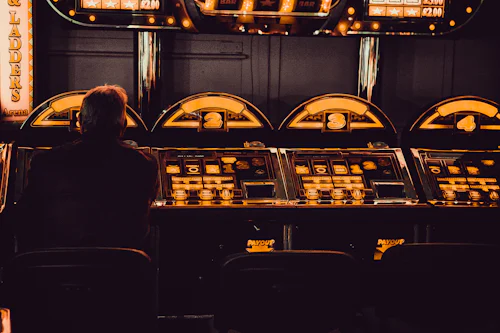
This interplay between belief in luck and actual outcomes can create a self-reinforcing cycle. A player who experiences a win might attribute their success to luck, which in turn strengthens their belief and compels them to gamble more frequently. On the flip side, a series of losses can diminish that belief, prompting them to withdraw from gambling altogether. Understanding one’s relationship with luck is crucial, as it can significantly influence a player’s approach to gaming and ultimately impact their winnings.
The Mathematics Behind Casino Games
While luck undoubtedly plays a significant role in the outcomes of casino games, the mathematics underlying these games cannot be overlooked. Each game is designed with specific odds that ensure the house remains profitable over time. For example, in blackjack, the house edge is relatively low when players employ optimal strategies, yet it still exists. Players must recognize that while they may enjoy short-term victories courtesy of luck, the long-term mathematical realities will likely tip the scales in favor of the house.
Understanding the odds associated with each game can empower players to make informed decisions. Knowing the probabilities of achieving a favorable hand in poker or the chances of a specific outcome in roulette can guide a player’s strategy. By leveraging mathematical principles in their gameplay, players can enhance their chances of success. However, relying solely on luck without acknowledging the mathematical foundation behind the games may lead to poor judgment and unwise betting decisions.
Moreover, responsible gambling emphasizes the importance of understanding game mechanics and probabilities. Players who grasp the math behind the games are often better equipped to manage their expectations and develop effective betting strategies. While luck can add excitement to the gaming experience, a solid understanding of the house edge and probabilities allows players to approach gambling more rationally, ultimately leading to a more enjoyable and potentially rewarding experience.
The Impact of Variance and Betting Strategies
Variance, or the statistical fluctuations in results, plays a significant role in the outcomes observed in gambling. Even in games driven primarily by luck, players can experience substantial swings in their bankrolls due to variance. This volatility can result in periods of winning and losing streaks, which significantly affect players’ perceptions of their luck. Understanding variance is vital for anyone who wishes to gamble responsibly and effectively manage their expectations.

Employing specific betting strategies can help mitigate the effects of variance. For example, the Martingale system, which involves doubling bets after losses, aims to recover those losses during a winning streak. While such strategies may occasionally yield short-term success, they do not change the fundamental odds of the games and can quickly lead to significant losses if a player encounters a prolonged losing streak. Thus, while strategies may offer a semblance of control, they do not guarantee success.
In conclusion, while variance and betting strategies can influence a player’s experience, luck remains an unpredictable factor in gambling. Even the most meticulously devised strategies cannot assure success, as unexpected outcomes can disrupt even the best-laid plans. Acknowledging the role of luck alongside strategic approaches allows players to maintain a balanced perspective on gambling, enabling them to enjoy the game while remaining aware of the inherent unpredictability involved in the experience.
Conclusion: The Balance of Luck and Skill in Gambling
Ultimately, luck plays a significant role in determining casino winnings, but it is not the sole factor in achieving success. While games of chance can yield unexpected jackpots and winning hands, players must also recognize the importance of skill, strategy, and psychological factors that interact with luck. This understanding empowers gamblers to approach their gaming experiences with a balanced mindset, maximizing enjoyment while minimizing potential pitfalls.
Grasping the interplay between luck and skill is crucial for responsible gambling. Acknowledging the limitations of luck, while simultaneously leveraging strategic skills, can enhance both enjoyment and the potential for winnings. The excitement of gambling is often best experienced when players engage with the intricacies of both luck and skill, striking a balance that fosters a fulfilling and responsible gambling experience.
If you seek to explore the captivating world of gambling further, consider delving into resources and strategies that blend knowledge of both luck and skill. By educating yourself about various games and the principles that govern them, you can enrich your gaming experiences and discover ways to optimize your overall approach to casino play while keeping the role of luck in perspective.